How to Build a Home Library for Children: A Practical Guide for Parents
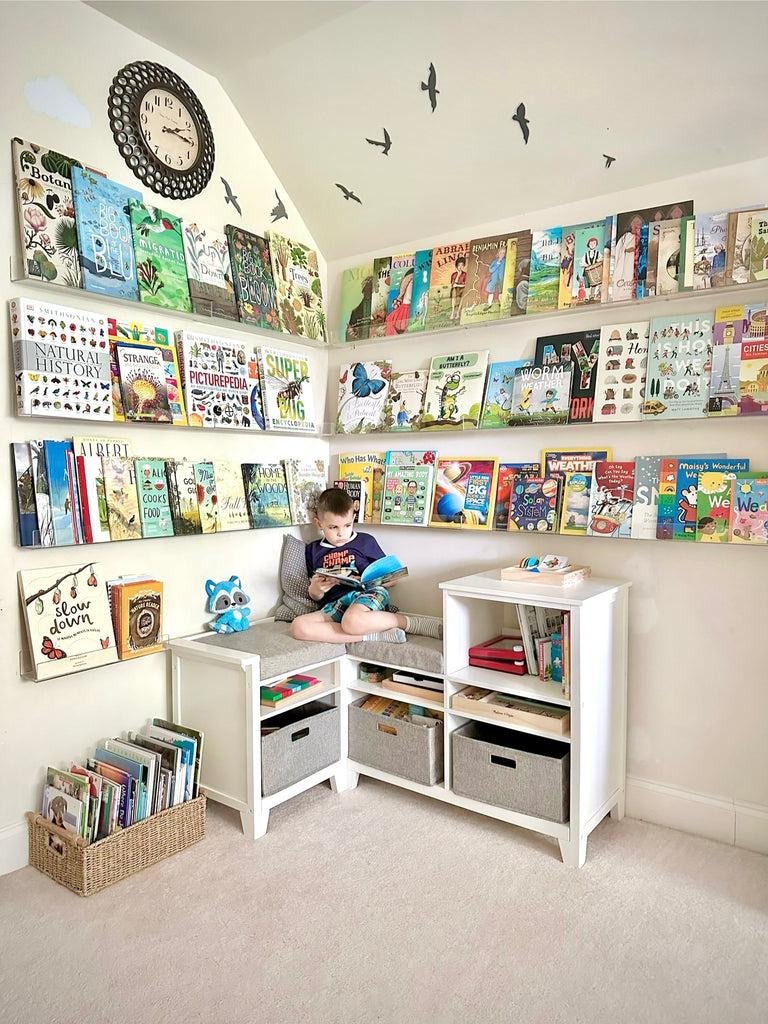
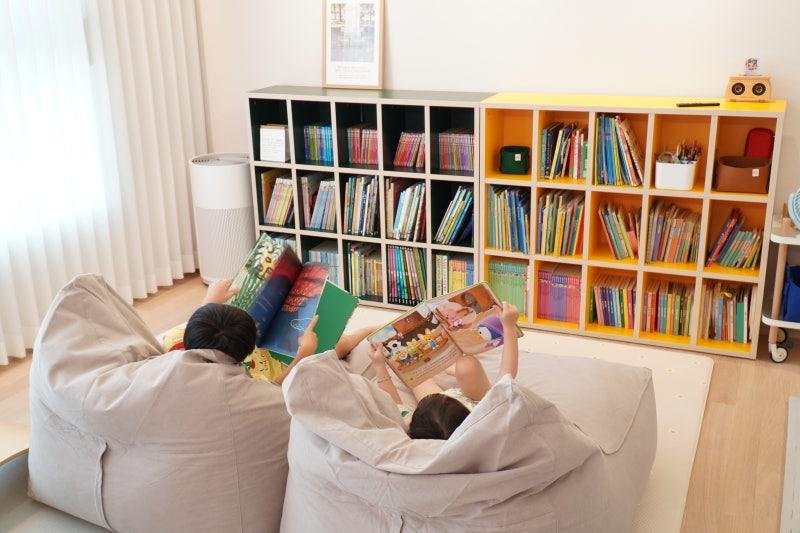
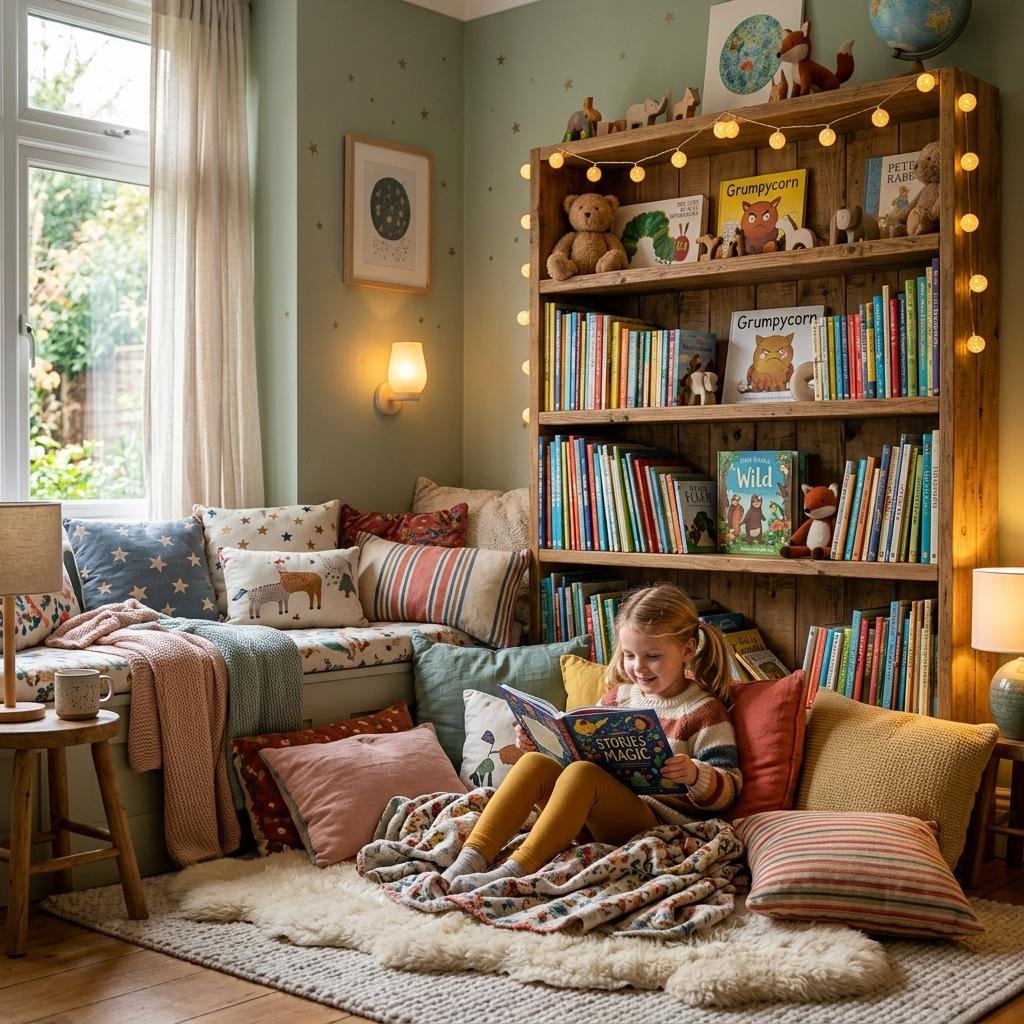
A home library does not need a separate room, expensive furniture, or hundreds of books. A small bookshelf, a comfortable reading corner, and a carefully selected collection can be enough to create an environment where children naturally reach for books.
For parents in Pakistan who want to develop their child’s reading habit, building a home library can be one of the most valuable long-term investments in learning. The key is to choose age-appropriate books, offer variety, make books easily accessible, and gradually expand the collection as your child’s interests and reading ability grow.
At Book World Pakistan, parents can explore children’s books, reading sets, educational books, and bundle-style collections suitable for building a home library.
Why Should Children Have Their Own Home Library?
When books are visible and easily available, reading becomes part of everyday life rather than something associated only with school and homework. A home library also gives children the freedom to revisit favourite stories, explore new subjects, and choose what they want to read.
A good children’s library can support vocabulary, reading fluency, comprehension, imagination, and general knowledge. More importantly, it can help establish a simple message at home: books are something to enjoy.
The collection doesn’t have to be huge. Twenty carefully chosen books that a child genuinely enjoys can be more valuable than shelves full of books that are too difficult or uninteresting.
1. Start With a Small Reading Corner
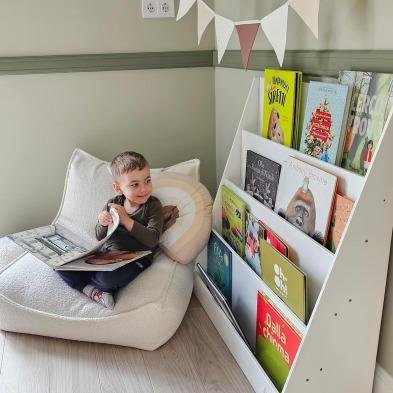
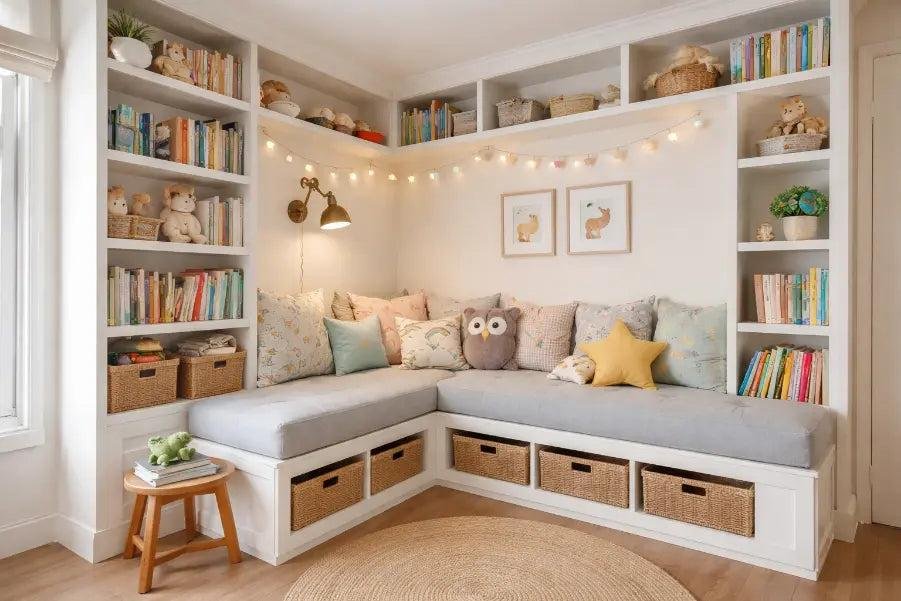
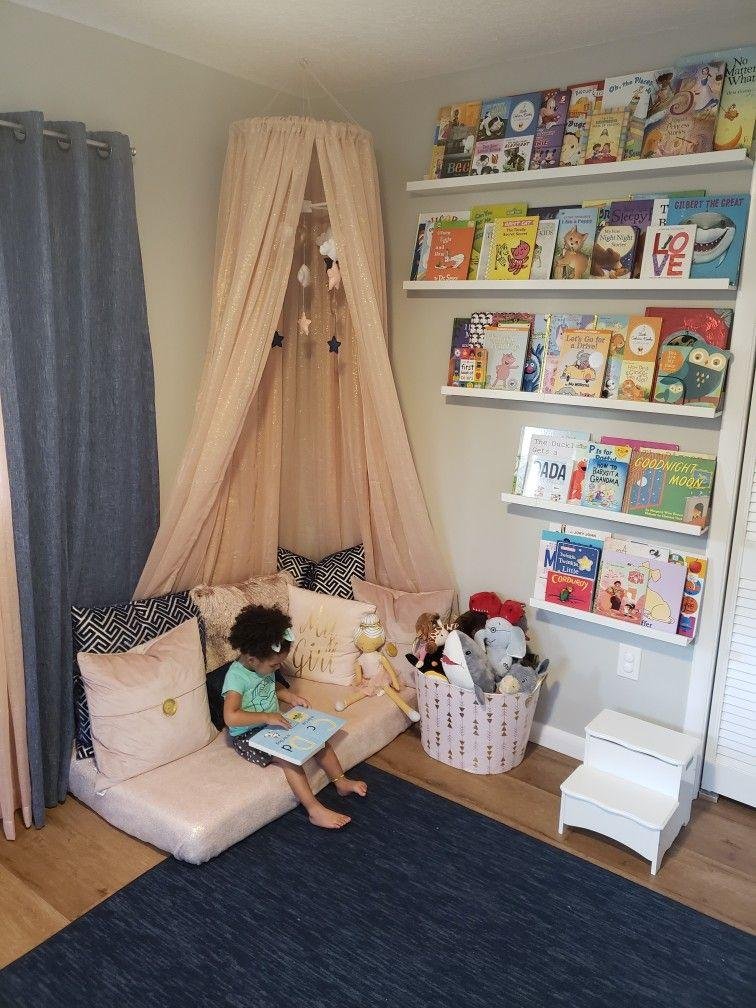
You don’t need to dedicate an entire room to books. Choose a quiet corner of your child’s bedroom, playroom, or living area.
A low bookshelf, book basket, or wall-mounted shelf works well because children should be able to see and reach their books independently. Add a small chair, floor cushion, beanbag, or rug to make the area comfortable.
For younger children, displaying some books with their covers facing forward can make choosing a book more inviting than seeing only the spines.
The aim isn’t to create a picture-perfect library. It is to create a place your child associates with calm, enjoyable reading.
2. Choose Books According to Your Child’s Age
A home library should grow with the child.
For babies and toddlers, start with sturdy board books, picture books, touch-and-feel books, fabric books, nursery rhymes, and simple first-word books.
For preschool children, introduce alphabet and phonics books, CVC readers, picture stories, early-learning books, activity books, and simple factual books about animals, transport, nature, and space.
For early primary children, gradually add graded readers, story collections, phonics readers, fairy tales, science books, and general-knowledge titles.
Older and more confident readers can explore longer fiction, classics, biographies, history, science, encyclopedias, and subject-based reference books.
3. Build a Balanced Library
Try not to fill the entire bookshelf with just one type of book. A balanced home library could include storybooks, phonics and early readers, general-knowledge books, science and nature titles, Islamic books, Urdu books, dictionaries, atlases, encyclopedias, activity books, and children’s favourite series.
This variety is useful because children’s interests change. One week they may want dinosaurs; the next they may become fascinated by planets, animals, or adventure stories.
Book World Pakistan currently lists hundreds of children’s titles across categories, including general knowledge, science, activity books, and Islamic books.
4. Use Library Packs and Bundle Deals
Buying individual books is useful when a child wants a particular title, but library packs, reading collections, and bundle deals can be a convenient way to build a larger collection.
Instead of choosing every book separately, parents can select packs based on reading level, publisher, subject, or age group.
For example, Book World Pakistan currently carries several Oxford Read Write Inc. reading packs. Its Oxford Reading Books section includes Orange, Yellow, Blue, Grey, and Pink phonics sets, although stock availability varies.
One current example is the Read Write Inc. Set 5 Yellow Non-Fiction Set, containing 10 paperback books and listed at Rs. 3,000 at the time checked.
These types of bundles can form the foundation of a child’s dedicated reading shelf.
5. Add Phonics and Early-Reading Collections
For children who are beginning to read independently, don’t rely entirely on ordinary storybooks.
Add books that correspond to their current reading ability. Phonics books and graded readers give children opportunities to practice sounds, blending, and increasingly complex sentences.
Book World Pakistan’s Oxford selection currently includes multiple Read Write Inc. Phonics Book Bag sets designed for reading practice outside the classroom.
Parents can also combine readers with phonics flashcards and writing activities. For example, the Read Write Inc. Early Sounds and Blending kit listed by Book World Pakistan includes sound flashcards, a parent’s handbook, handwriting material, and a wipe-clean activity sheet.
6. Create a Knowledge Shelf
Not every book in a child’s library needs to be a story.
A separate “Discover & Learn” shelf can contain books about animals, the human body, oceans, space, science, inventions, geography, and history.
Book World Pakistan’s current Encyclopedia & Atlas section includes titles covering animals, biology, the human body, space, and inventions.
These books are particularly useful for children who say they don’t enjoy reading fiction. Sometimes a child isn’t uninterested in reading—they simply haven’t found the subject that excites them yet.
7. Include Urdu and Islamic Books
For families in Pakistan, a home library is also an opportunity to develop reading ability across languages and introduce books connected with family values and culture.
Consider dedicating part of the shelf to Urdu stories, Urdu early-learning books, Islamic stories, duas, and books about good manners and character.
Book World Pakistan currently lists titles such as 40 Islamic Bedtime Stories, 41 Islamic Moral Stories for Children, Stories of 5 Prophets, and other Islamic children’s books.
This also makes it easier for parents to alternate between English and Urdu reading sessions.
8. Let Your Child Help Choose the Books
Parents naturally want to select educational books, but children should have some control over their library too.
When children choose books about subjects they already love—cars, dinosaurs, princesses, animals, football, space, crafts, mysteries, or funny stories—they have another reason to open them.
A useful approach is to let the parent choose some books for learning while the child chooses others purely for enjoyment.
A child’s home library should contain books they want to read, not only books adults want them to read.
9. Rotate Books Instead of Displaying Everything
If you already have a large collection, avoid putting every book out at once.
Keep perhaps 15–30 books easily accessible and store the remaining books elsewhere. Every few weeks, rotate some titles.
An old book that has been out of sight for two months can suddenly feel new again.
You can also create temporary themed shelves such as Space Week, Dinosaur Week, Islamic Stories, Science Month, Bedtime Stories, Urdu Reading Week, or Adventure Books.
10. Make Reading Part of the Daily Routine
A beautiful bookshelf alone won’t develop a reading habit.
Try establishing a predictable daily reading period—even 15 to 20 minutes can become an important family routine.
Bedtime is an obvious choice, but reading can also happen after school, before dinner, or during a quiet afternoon period. Younger children can listen while a parent reads aloud; older children can read independently and later discuss what they discovered.
Avoid turning every reading session into a test. Children don’t always need to answer comprehension questions after finishing a book.
Sometimes reading should simply be enjoyable.
Build Your Children’s Library with Book World Pakistan
A home library can begin with one shelf and a handful of carefully selected books. Start with your child’s current reading level and interests. Add stories, phonics readers, Urdu and Islamic books, science and general-knowledge titles, and gradually introduce more challenging material.
Parents who want to build a collection more quickly can explore Library Packs, Reading Collections, Book Sets, and Bundle Deals from Book World Pakistan. The store’s current catalogue includes children’s books across reading, general knowledge, science, Islamic, and activity categories, while individual products and stock can change over time.
Start Building Your Child’s Home Library Today
📚 Story Books | Reading Sets | Library Packs | Bundle Deals | Phonics | Oxford | Usborne | DK | Islamic & Urdu Books
Shop Children’s Books at Book World Pakistan
WhatsApp: 03137854726
Instagram: @bookworld.pakistan
Delivery available across Pakistan